
A Ferrari SF90 Stradale may reach 100km/h in just 2.5 seconds, but engineers took over 100 years to reach this point. Carl Benz built the first viable automobile in the late 19th century; the passion for cars has only increased since then, as has the roar of engines. The Benz Patent-Motorwagen may not be the first supercar, but it was the kickstart to a global industry valued at approximately USD 3 trillion in 2022.
However, supercars have an industry of their own, which was worth around $1.3 trillion in 2024, according to recent estimates. When did this industry start, though? What is the first ever supercar to live up to such a description? Let’s find out together.
Rolling With Time
So, when was the first supercar made? Arguably, the age gap between Benz Patent-Motorwagen and the first supercar is nearly 90 years. Specialists and aficionados regard the Lamborghini Miura, released in 1966, as the inaugural model.
Miura could speed up to 281 km/h, much faster than any other vehicle of that time. Nevertheless, the title of “the first supercar” isn’t undisputed. While Miura was by far the fastest, early sports models like the Mercedes-Benz 300SL (1954) and the legendary Ferrari GTO (1962) are also strong contenders.
The Mercedes-Benz 300SL is iconic for its gullwing doors and 225 km/h top speed. Meanwhile, the Ferrari GTO could run as fast as 280 km/h. While the GTO is similar in top speed compared to the Miura, Lamborghini’s model often takes the spot as the first supercar due to its groundbreaking design and handling capabilities.
Here’s a fun fact: the first time the term “supercar” was used, back in the 1920s, it described the British Ensign 6 engine, with “neck-breaking” 38.4 horsepower. A modern sports car typically has over 600hp today. With Miura and the likes, “supercars” entered the lexicon for good in the early 1960s. However, the question remains: what was the first supercar ever built?
Defining the Concept
Supercars can’t be solely defined by their top speeds. As the name suggests, they must be superb in all aspects: advanced technology, cutting-edge suspension systems, lightweight materials and optimal weight distribution to ensure responsive handling even at high speeds.
In other words, supercars are primarily performance-oriented, which also reflects on their design and aerodynamics. Their exotic lines are developed to maximise downforce and reduce drag, improving stability as the speedometer tilts to the right. Following the same logic, supercars are typically built using titanium, carbon fibre, and other lightweight materials to make the best out of their powerful engines and sleek designs.
Needless to say, the regular suspension used in “everyday cars” won’t do the trick at +200 km/h speeds. Such situations require solutions like active suspension, adaptive dampers, and other advanced systems to provide control, no matter how fast you are. Modern sports cars have also incorporated digital tools to improve driveability, including adaptive cruise controls, active aerodynamics and many other driver-assistance features.
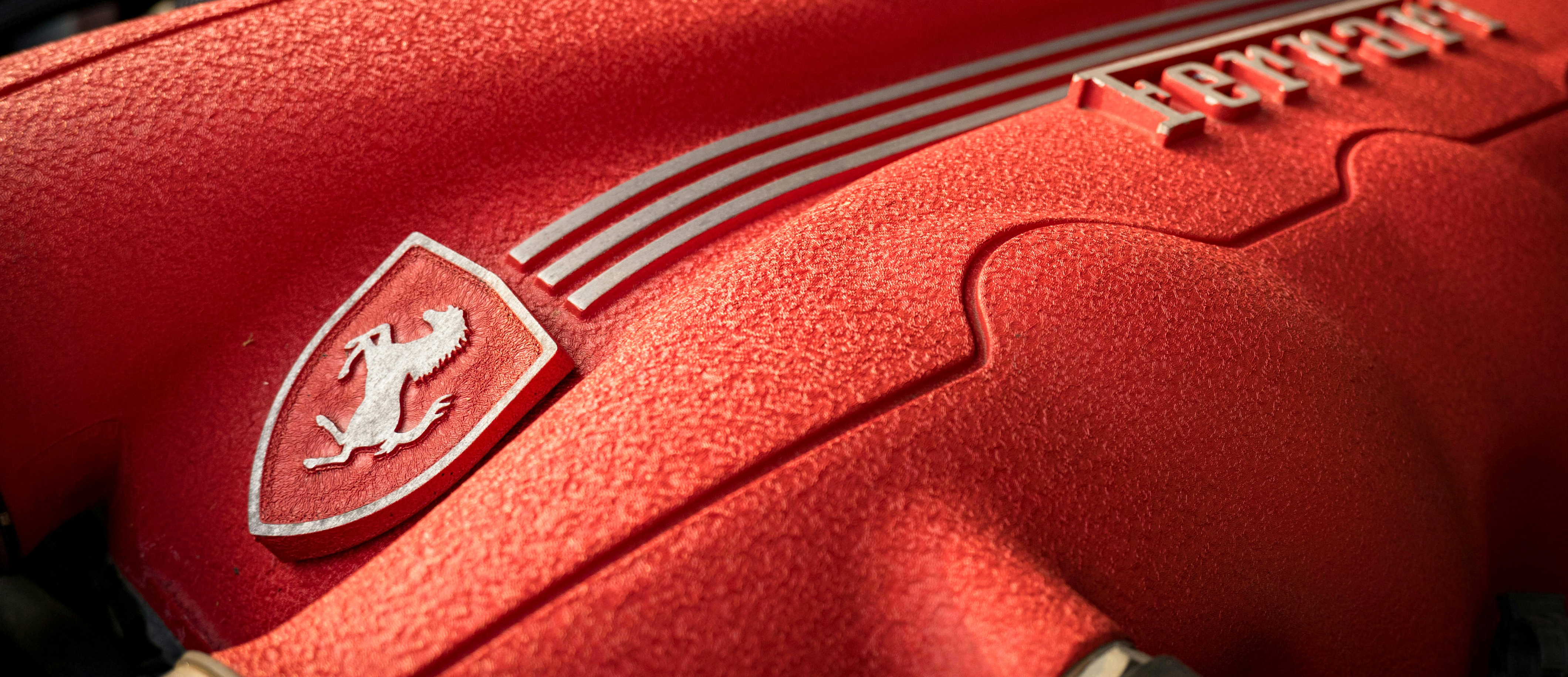
Starting Grid
While the British Ensign 6 deserves to be mentioned for its historical importance, it’s no match for the models from the 1950s and ’60s, which really took the concept of “modern supercars” to the next level. Here’s a short description of the strongest contenders.
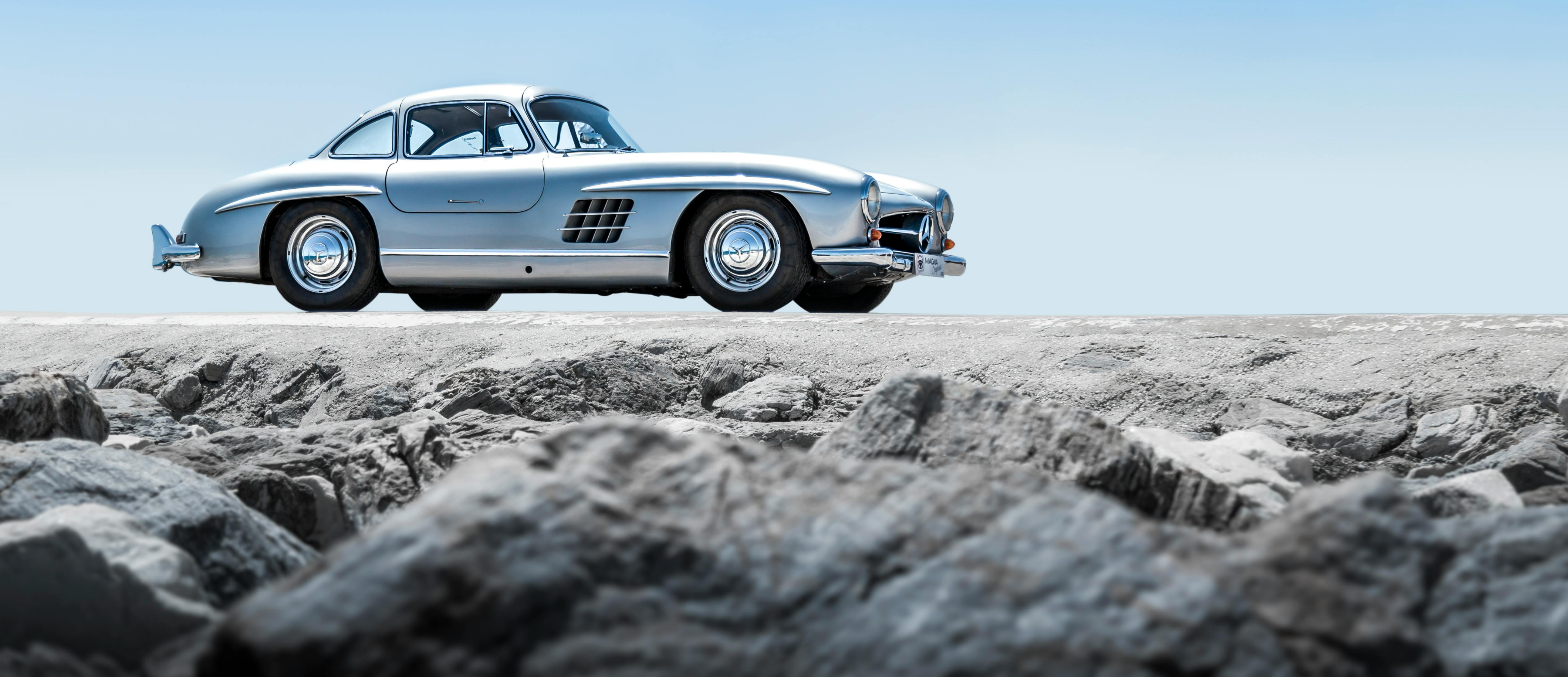
Mercedes-Benz 300SL (1954)
Cinephiles may remember the Mercedes-Benz Gullwings from movies like Viva Las Vegas, with Elvis Presley. This Hollywood star on wheels had a 240-horsepower engine that could speed it up to 225 km/h. It was a record for the time, and it took eight years until another sports vehicle could go faster.
Nevertheless, the 300SL could easily make the popular Chevrolet Bel Air (with its 167 km/h top speed) bite the dust. More importantly, its fuel-injection system was projected to work at high speeds. This system can be triggered by a button for hot starts, adding around 4.5 litres of extra pump from the reserve.
The four-wheel independent suspension isn’t innovative, as Mercedes-Benz has used it since the 1930s. Still, it does the job for the car’s capabilities, providing a smooth ride at any speed. Undeniably, it stood out in the automotive industry in the 1950s, being much superior to existing cars.
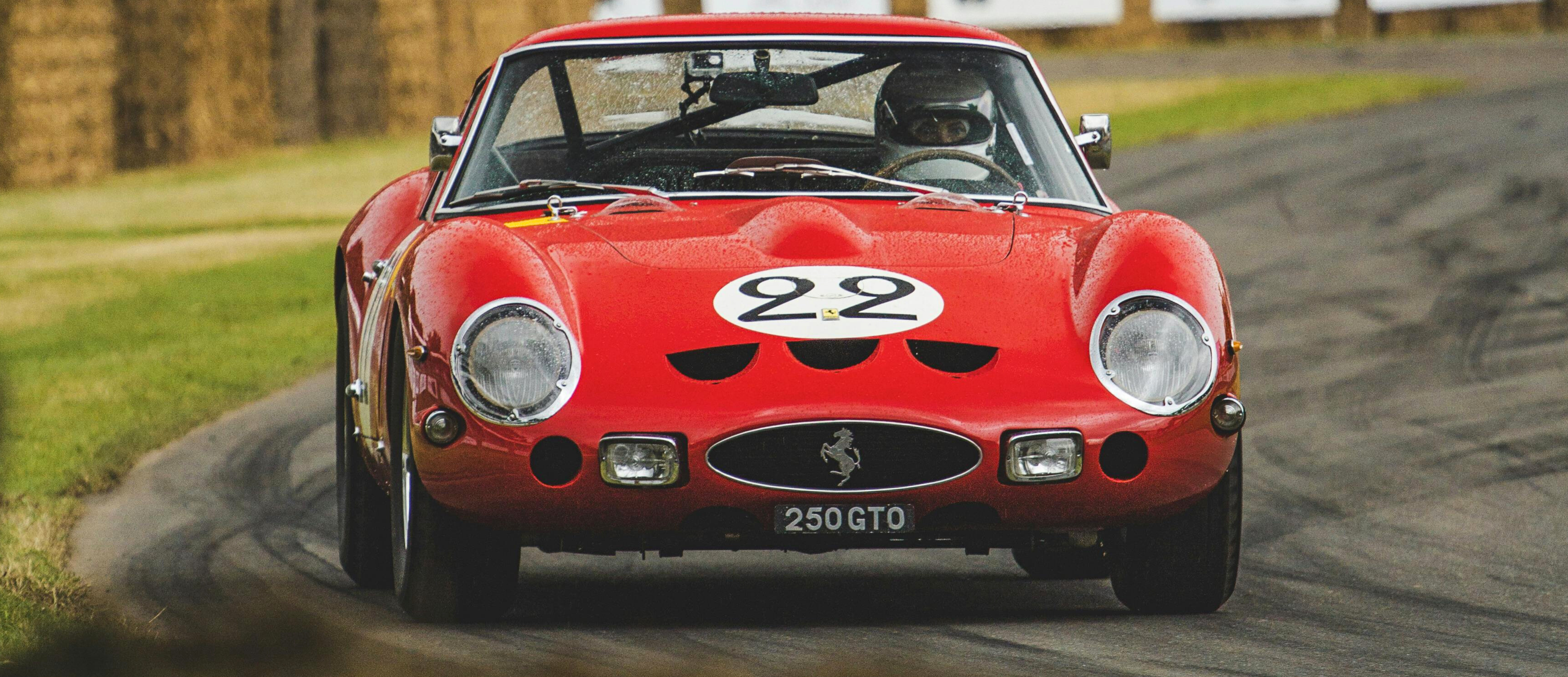
Ferrari GTO (1962)
The Ferrari 250 GTO is an absolute legend, be it because of its breathtaking performance or unique design. The legend is further fuelled by the fact that there aren’t many of them around. They went out of line in 1964, producing a very limited number of models. Unsurprisingly, it’s one of the most desirable and valuable cars in history.
A few years ago, an exemplary was sold at Sotheby’s auction for more than USD 51 million. It was an absolute beast on the road, reaching 100 km/h in 6 seconds, and up to 280 km/h at top gear. The GTO relied on an E-type suspension on a monocoque structure, resulting in soft driveability.
The V12 engine (arguably, the soul of the GTO) came from the award-winning Testa Rossa. The five-speed gearbox was completely new, using a slotted gate that would later become Ferrari’s signature. Yet, there’s nothing new regarding its simple steel ladder chassis, which was pretty standard at the time.
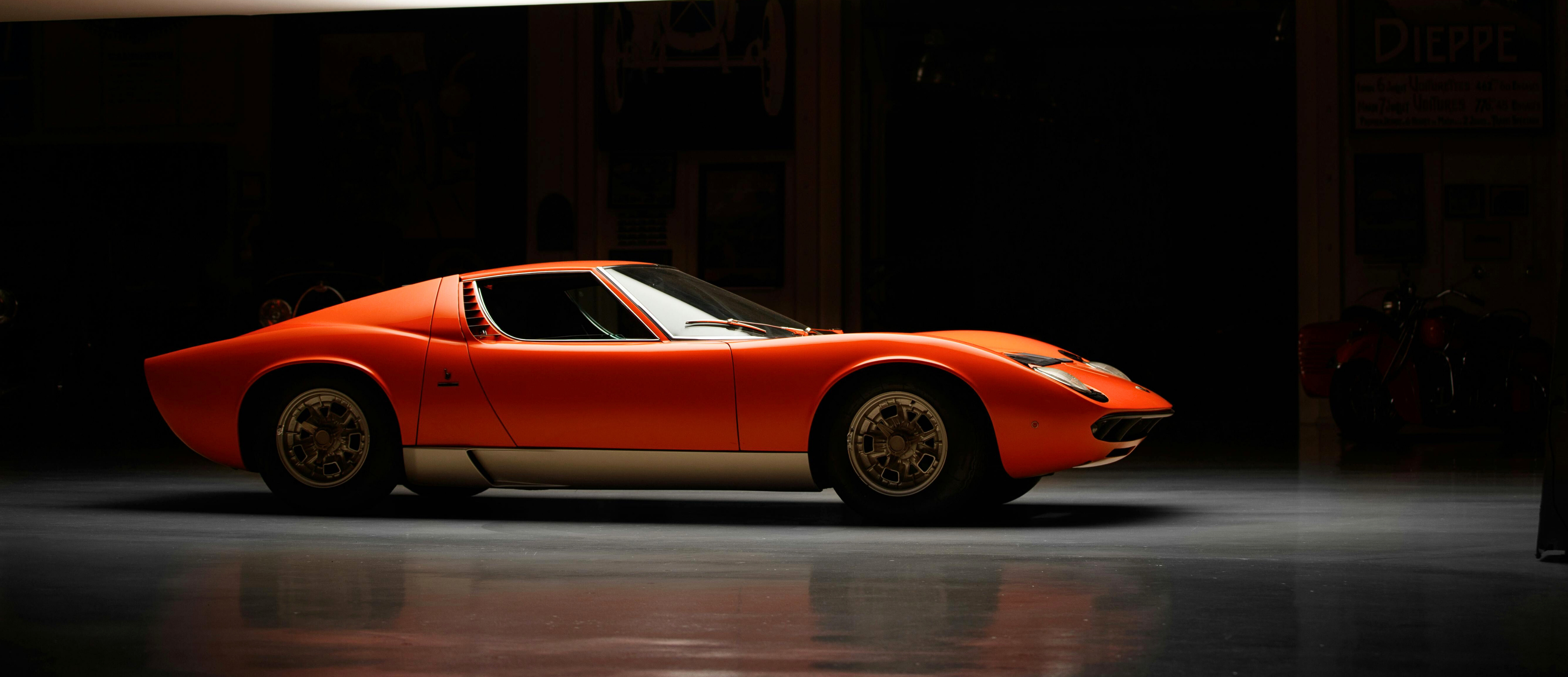
Lamborghini Miura (1966)
The Lamborghini Miura is the symbol of an entire generation. Celebrities ranging from Elton John to the Shah of Persia owned vast collections of them. Miuras aren’t as rare as GTOs, but they’re pretty close to it, with only 764 models around. Indeed, it was one of a kind when it came out, and many of its revolutionary features, such as a mid-mounted engine, can still be seen in sports cars today, pairing optimal weight distribution with superior driveability and performance.
Its V12 engine could propel it to 100 km/h in just 5 seconds, making it the fastest standard production supercar. However, it used a completely different suspension system from its mortal enemy, Ferrari, with Armstrong shock absorbers and concentric coil springs on all wheels.
Both systems successfully achieve the same purpose, though: providing a smooth ride at high speeds. Miura’s chassis, signed by Nuccio Bertone, was impressively creative, blending functionality with an irresistible aesthetic appeal.
The Winner…
So, what ignited the supercar era? Historically speaking, the answer is pretty straightforward: British Ensign 6, for which the term was coined. Regarding the Top three contenders above, the situation is a bit more blurred. The SL300 classic coupé version produced 1,400 models, nearly twice as many as Miuras. While this Hollywood star could run faster with its whining fuel-injection system, the rest of the vehicle was pretty basic, even using some 20-year-old parts.
Regardless of the myth surrounding the Ferrari GTO (largely fuelled by its rarity), Lamborghini’s independent double-wishbone setup would soon replace its E-type suspension system. This system has anti-roll bars and coil springs on all wheels, providing unparalleled handling and comfort. That’s why Miura is widely regarded as the first supercar, given its powerful performance, advanced technologies and bold design.
While the Mercedes-Benz SL300 and the Ferrari GTO made notable progress in speed limit and driveability, the Miura went the extra mile with jaw-dropping acceleration and an innovative suspension system, setting a new standard in the industry. Lamborghini’s masterpiece was named after a breed of Spanish fighting bull, and it’s also very easy to understand why.
 Please wait...