
There’s a reason why people don’t see damaged, beaten-up luxury cars around. Sunlight reflecting on a spotless Ferrari or Lamborghini isn’t just impressive; it’s a financial asset where a specialised supercar paint protection is used.
Indeed, keeping a luxury car in showroom conditions is much more than vanity. After all, repairing the paint of a luxury car can cost USD $10,000 or more. However, supercar owners must also be super careful, as modern vehicles tend to use thinner paint layers.
Thinner layers are great for reducing weight and improving fuel performance, but are also more fragile. Despite the advanced supercar paint protection methods typically used, most of the scratches and swirl marks are caused by faulty maintenance practices, which are, by all means, avoidable. Here’s how to keep your supercar’s paint always glinting.
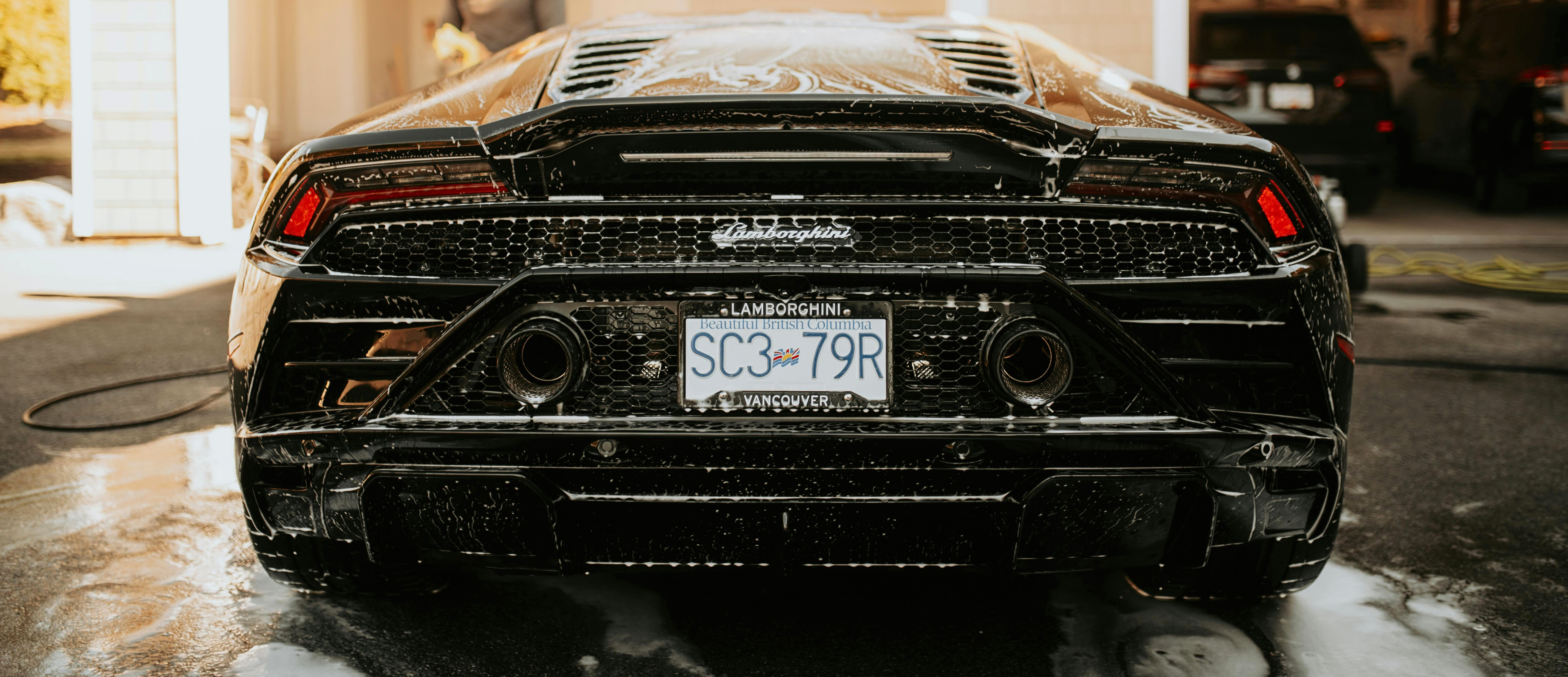
Thinner Coats, Higher Stakes
Paint thickness can vary greatly across different models, and even across different parts of the same model. In most cases, it ranges between 65 and 198 microns, while layers thicker than 198 microns were likely repainted. While luxury cars are usually on the thicker end of the scale, 25 to 200 microns is an equivalent range to the thickness of a various plastic bags.
Finding the right balance for pygments and acrylic enamels for optimal aesthetic results and durability is also a considerable challenge for carmakers. Luxury car paints shouldn’t only look fabulous, they must also be resistant to wear by debris, as even the smallest road stones can chip the coating at high speeds. Yet, they can be sensitive to improper care and quickly lose their glossy, metallic, or matte looks.
Often, supercars derive their pearlescent or glossy appeal from materials like mica flakes and lacquer. Both options are less durable, more vulnerable to wear, and require special maintenance, but they’re used simply because they look stunning. So, owners who want to sport a shiny ride must also be up to the challenge.
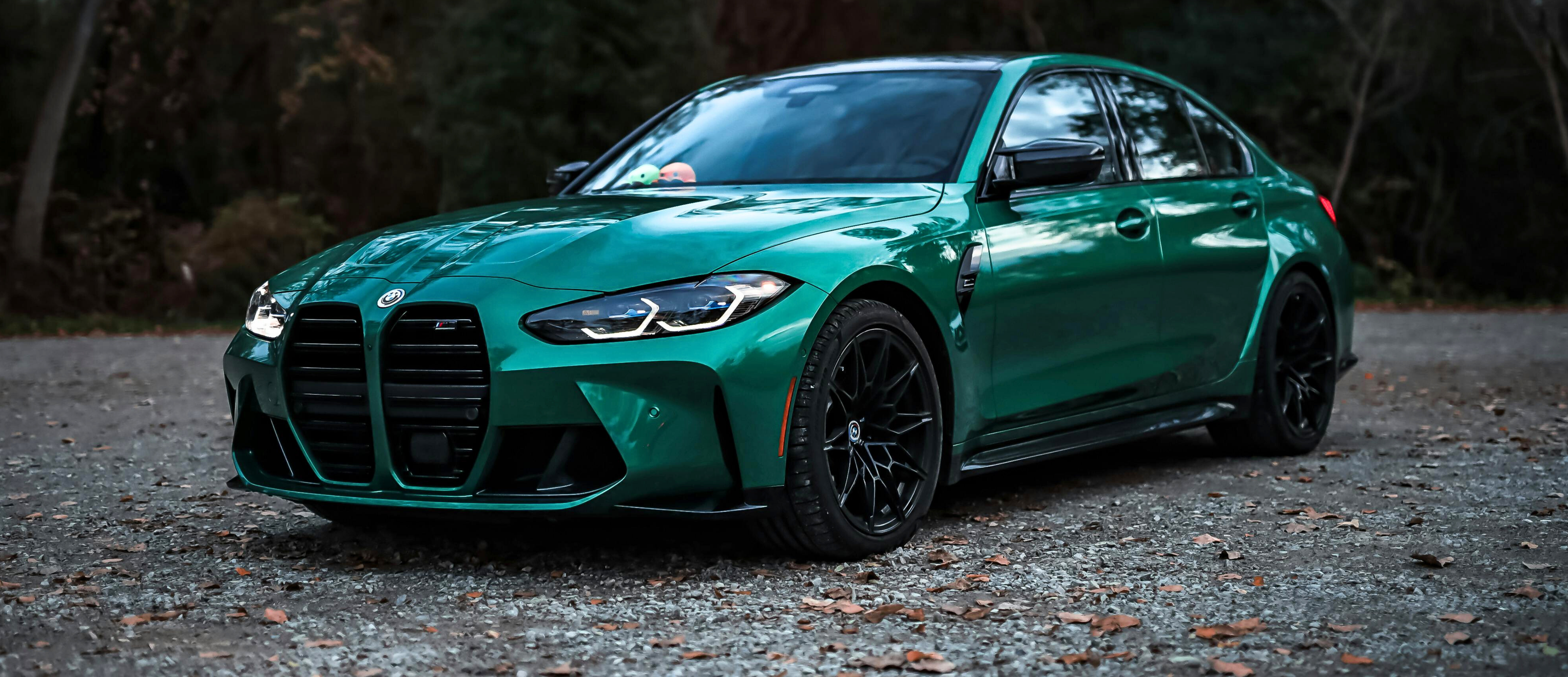
Keeping It Fresh
Lacquer-painted cars can’t be washed with harsh materials or abrasive chemicals if you want that glossy look to last longer. Mild car wash soaps are the best options for the task. The same tips apply to mica flake paint, which should also be washed with pH-neutral shampoos to preserve sparkle.
Lacquer-painted vehicles should apply wax every three to four months for extra protection against UV rays and debris. However, you should refrain from using wax on mica flake paint, as some options may contain chemicals that can damage the finish. Alternatively, it’s possible to use polymer-based paint sealants for longer-lasting protection; such sealants can last up to 12 months.
You can adopt the two-bucket method as a rule of thumb. It consists of a bucket for rinsing and another for washing. The second bucket must also be soapy to prevent scratching the coating with debris. In any case, microfiber towels and soft cloths are the most advisable for vehicle rinsing and drying.
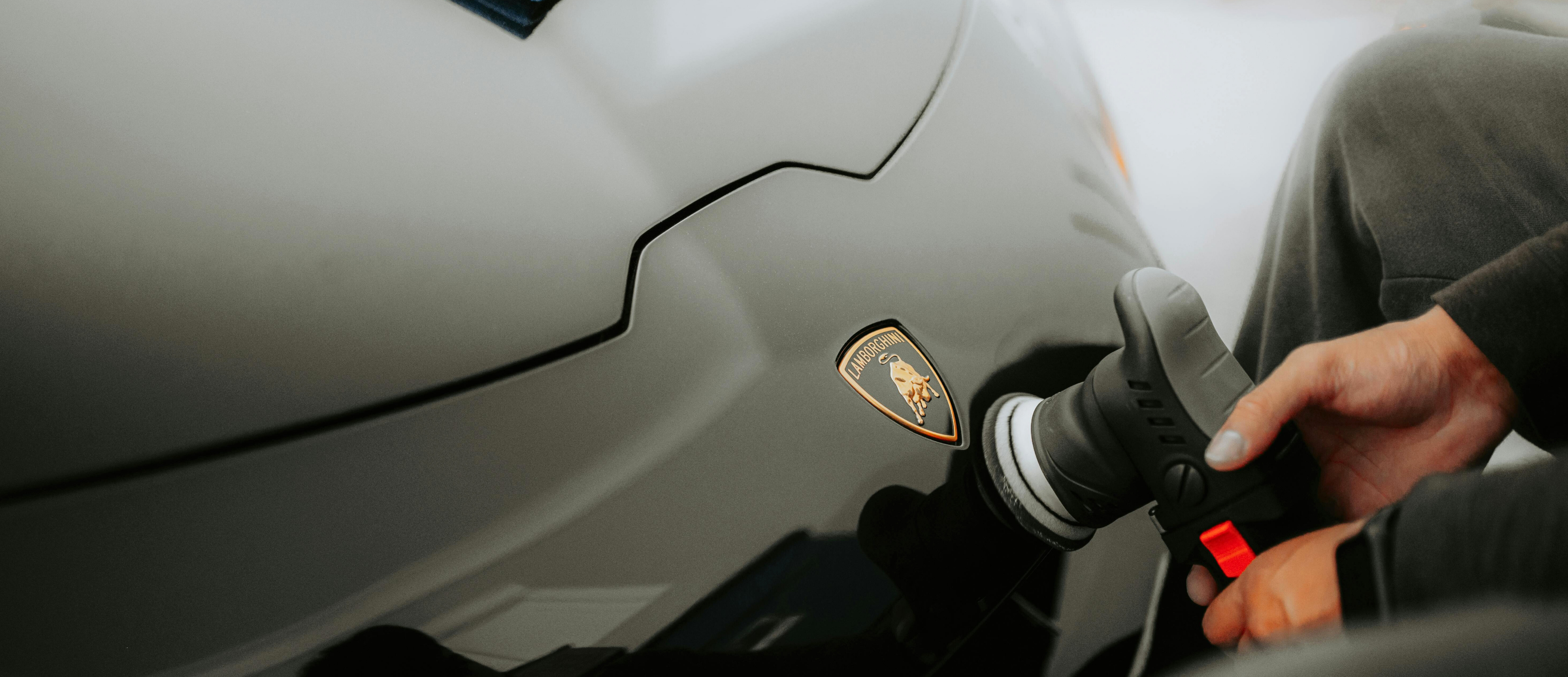
Protection Technologies – Pros and Cons
With great cars come great responsibilities, such as supercar paint protection. It goes without saying that garage queens won’t use the same maintenance routine as regular vehicles. They may demand proportionally more sophisticated ones. For instance, carnauba car wax is one of the most common options in the market due to its glossy result, especially on darker shades.
However, carnauba wax melts at 85ºC, making it less durable than synthetic options. It’s a good idea for Ferraris idling in a showroom, but it’s not so great for daily drivers, as it’s also more time-consuming to apply. Synthetic sealants are considerably more expensive than carnauba wax, but they tend to provide better value over time.
You can also raise it up a notch and invest in ceramic coating. It’s a pretty expensive option, much more than the ones previously mentioned, as it also requires professional application. It creates a solid hydrophobic layer that can also repel dirt and shield it against UV rays and other environmental damage.
Additionally, it enhances the gloss of the paint coating, adding a reflective finish. However, ceramic coatings aren’t immune to scratches and must be regularly retouched, increasing the maintenance budget. A well-applied ceramic coating considerably increases a vehicle’s resale value.
Still, nothing will shield your car’s paint like PPF (paint protection film). It creates a much more solid physical barrier than any other option, protecting your vehicle’s coating even against road rocks. This film can self-heal from minor damage with the natural heat of the car, ensuring a smooth surface. Obviously, initial costs are also much higher in this case, and the installation itself can raise a few challenges.
While it’s more resistant than most options, PPF discolours and turns yellow over time, which is a major aesthetic inconvenience. PPF may be more resistant to impact, but not to chemical exposure, reducing lifespan. If you have a dark coloured car, beware: it can bring up imperfections and seams that weren’t visible before. It’s also possible to use a hybrid approach by applying a ceramic coating over PFF, making it even more resistant and durable.
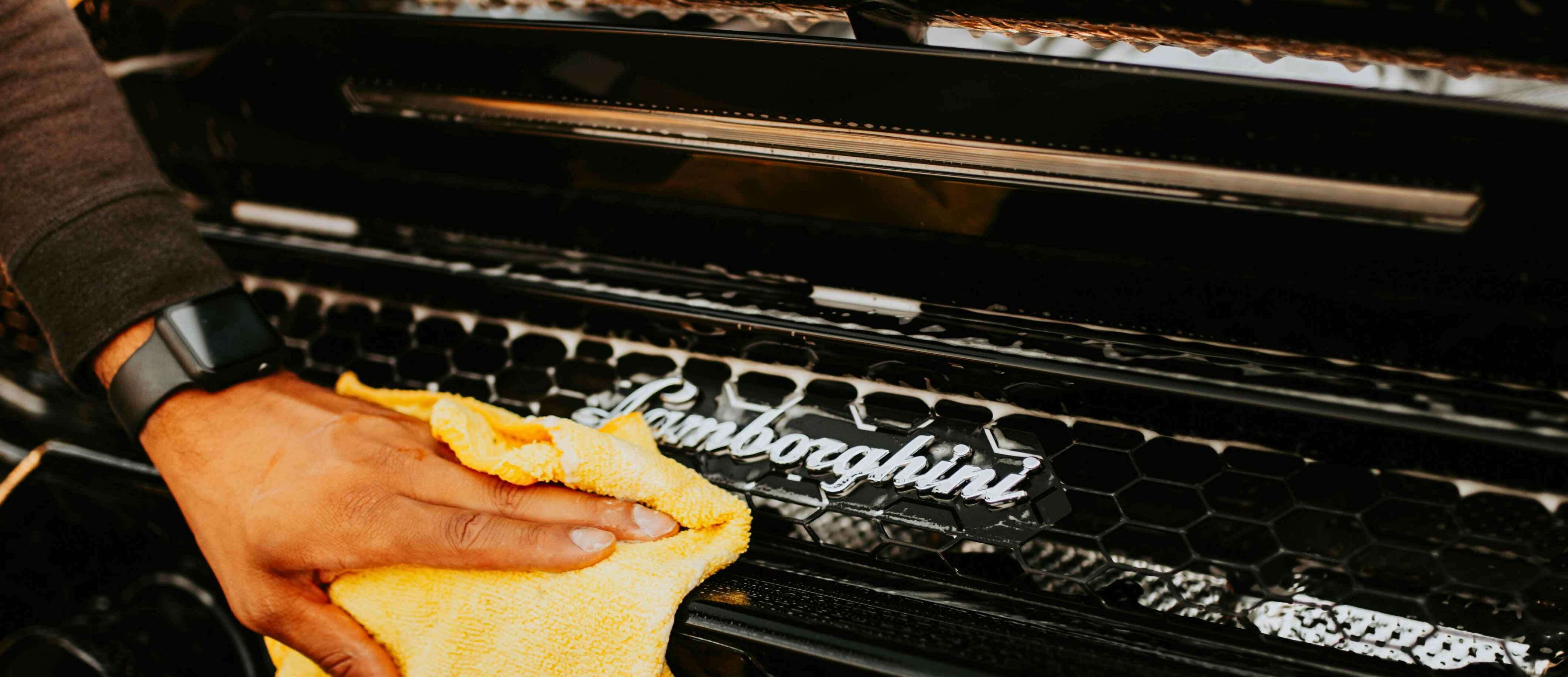
Common Mistakes
It doesn’t matter how advanced your supercar paint protection is: it’ll could wear off pretty soon without proper care. Automatic car washers may be a tempting option, as they’re quick and not so expensive. Or is it? They may be cheap, but they use abrasive chemicals and materials (like rotating brushes stripping off the wax) that can considerably damage a car’s finish over time.
Besides, automatic washing will never be as thorough as hand-washing, often leaving dirty spots behind. A bird dropping on the car may not look like much, but the chemicals it contains are seriously hazardous to car paint. In fact, it’s highly acidic, and its corrosive effect can be worsened by sunlight and heat. Don’t leave it for tomorrow; clean it right away, as dried bird droppings can scratch the surface when wiped out, and even leave a permanent stain.
Supercar paint protection also involves high-quality covering against sun exposure. Using high-quality covers is especially important if you own red or blue vehicles, as such colours fade much faster when exposed to UV rays. Ideally, such covers are made from breathable and durable materials like nylon, preventing mould formation due to moisture buildup.
Alternatively, it’s possible to use fleece-lined covers that have a soft touch to delicate finishes, providing superior scratch protection. Hail-proof covers are essential for outdoor parking, but aren’t necessary for garages where dust protection is enough. Anyway, it should fit just right in your vehicle, as it could keep flapping under strong winds, scratching the surface.
It may be challenging to keep the paint of an Aston Martin or Lamborghini in pristine condition, but it surely deserves the effort. After all, it’s a significant part of its appeal and resale value. Unfortunately, there isn’t a one-time solution for the ultimate supercar paint protection; keeping your supercar glinting will require careful and, eventually, costly maintenance.
Even the most advanced combinations of PPF and ceramic coatings wear off with time. Still, there’s a lot you can do to make that spark last longer, like hand-washing your ride regularly with soft materials and wiping out bird droppings as soon as they land. Preserving your car’s paint is preserving its market value while saving up on garage bills.
 Please wait...