
If you want a Ferrari, you better be prepared to splash the cash. However, the price tag isn’t the only thing you should be looking at. The cost of owning a Ferrari depends on the model, year and condition. In this guide, we’re going to give you the low-down on just how much owning one of these beauties will set you back, both new and used.
Ferrari Roma

The Roma has undergone several changes since its launch in 2019 for the La Dolce Vita celebration. The 2019 model was a nod to Ferrari’s classic 1950s and 1960s design.
The 2020 version entered the market with a starting price of approximately £171,000. Meanwhile, the price for the used Ferrari Roma model ranges between £127,000 and £175,000, depending on the model year and mileage.
Ferrari expanded the Roma lineup in 2023 with the introduction of the Roma Spider. The Roma Spider marked a significant moment for Ferrari, bringing back a front-engine soft-top convertible after a 54-year gap. It was a different homage to Ferrari’s classic series with a starting price of £210,313 (£189,000 – £225,000 used price range).
Ferrari F8 Tributo

Ferrari’s legacy is strong, and the debut of the F8 Tributo at the 2019 Geneva Motor Show celebrated the beginning of their mid-engine V8 era. These models started with the 308 and 208 GT4 models launched in the early 1970s.
Now, the F8 Tributo is known as a competent car. Thanks to its aerodynamic design, the F8 Tributo produces 15% more downforce. Plus, it improves efficiency by 10% compared to the 488 GTB.
Compared to other Ferrari models, the F8 Tributo didn’t sell out immediately. If you were browsing the market in 2022, you’d still find the Tributo available for purchase. Base Ferrari cost for this model is £203,000. With the options added, the total cost could go up by £130,000, an upgrade shown on the test car.
If you aim to purchase a well-equipped Tributo, you can expect to spend around £250,000. The cheapest used F8 Tributo was sold for around £205,000 in 2024, but it may be out of its original three-year warranty. Still, there are extended warranties available. The transferable ‘Power15’ plan also covers the gearbox, engine and other significant Ferrari parts.
Ferrari SF90 Stradale
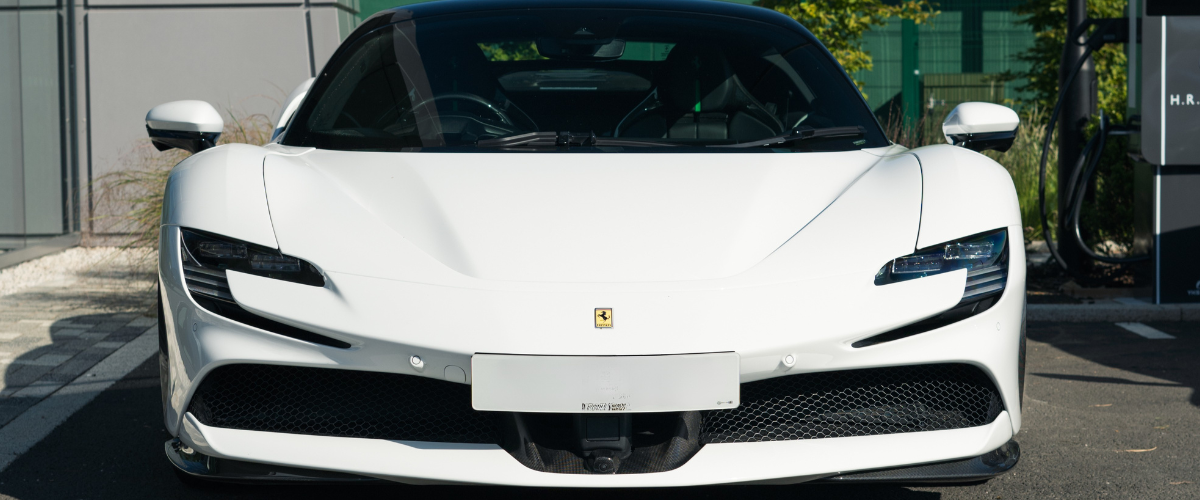
The SF90 Stradale pushed the boundaries of hypercar engineering to new heights. It was Ferrari’s first plug-in hybrid with complicated engineering. Unlike most hybrid supercars, which came with one to two motors, Ferrari gave the SF90 Stradale three.
Whenever the SF90 Stradale is started, it defaults to a hybrid driving mode. The eDrive mode allows you to speed up to 84 mph, supported by the 8kW/h battery pack with up to 15 miles of range.
One of the more apparent differences the SF90 offers compared to its senior models is its power delivery. Traction is impeccable, even during high speed. This model also marks the debut of Ferrari’s brake-by-wire system, which is necessary considering the SF90’s motors.
If you want to own the Ferrari SF90, you can expect to spend £374,420 and £523,460 for options included. Depending on its year of release and mileage, the used price can range between £280,000 and £329,000.
Ferrari Portofino M
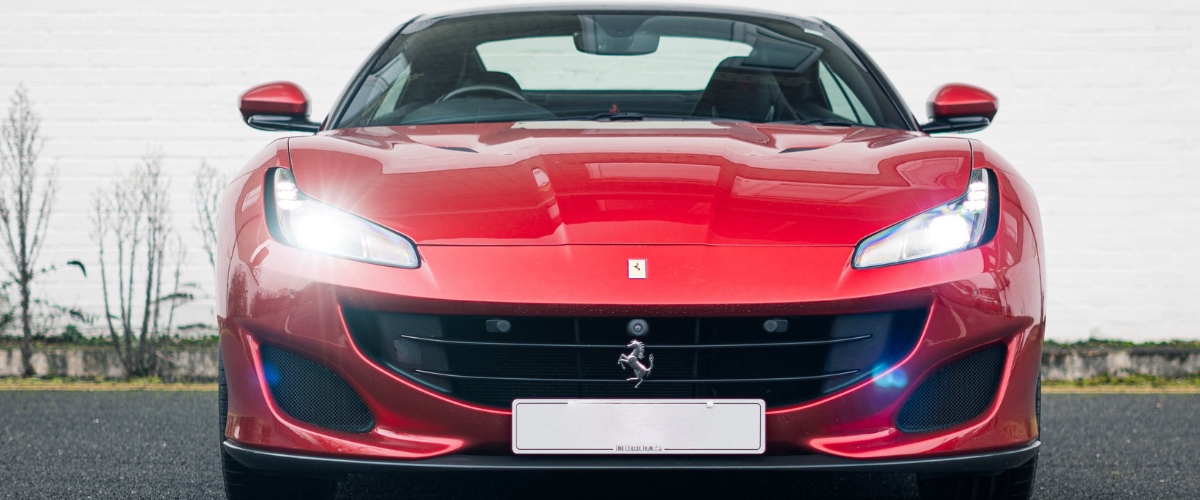
Ferrari introduced the Portofino M as their entry-level two-door Spider model. The M at the end of the name stood for Modificata, which means Maranello brought more out of its sporty GT.
The supercar showed clear advancements, with the 3.9-litre V8 engine being one of its standout features. There’s a 20bhp power increase, leading to a 3.45-second time for the car to go 0-62mph while offering a top speed of 200mph.
The Portofino M also introduced an eight-speed box from the SF90 Stradale hybrid. The Portofino M ratios are extended to present a more relaxed driving style.
Buyers interested in owning the Portofino M will find the new model’s price at approximately £186,000. Meanwhile, the used Portofino M in the market ranges from £147,000 to £165,000.
Rare Collectables
Some of Ferrari’s presented models weren’t mass-produced. These models ended up as rare collectables sought by collectors looking for the best Ferraris to own.
There was the 2004 Challenge Stradale ‘Cornes Edition’. Only 25 units are available worldwide, a model born from Ferrari’s partnership with Cornes. If you’re lucky to find one still available in the market, you can expect to pay around £294,000.
Another special edition is the Ferrari 612 Scaglietti ‘Sessanta’, which was released in 2007 to celebrate the 60th anniversary of the Geneva Motor Show. Only 60 units are produced, boasting premium features like a Manettino Switch, unique 19-inch forged aluminium wheels, a red stop-start button on the steering wheel, and so on. Collectors hunting this rare supercar will find the price greatly varies, but one was sold at only £126,500.
Maintenance and Ownership Costs
Ferrari includes complimentary maintenance for seven years after purchase. Beyond that, Ferrari owners can expect to spend £500 to £1,500 on their annual service, providing fluid checks, oil changes and basic inspections.
However, the cost of your Ferrari can be much higher if your supercar is due for extra needs, like a change of unexpected parts, tyres and brakes. Ferrari owners can typically spend up to £5,000 for a more extensive servicing.
Insurance Cost
Insurance rates for supercars are higher than those for regular cars. Insurance rates are usually tied to the vehicle’s value, as supercar claims would be more costly. The cost of your Ferrari’s parts can also change how much you must pay for the insurance.
Typically, the insurance cost you’ll have to pay for your supercar is about 1% to 1.5% of the car’s insured value in return for the annual premium. For example, if your Tributo’s agreed value is £200,000, you can expect to pay between £2,000 and £3,000 annually due to the supercar policy.
Due to Ferrari’s high top speed, insurers often consider the driver’s behaviour as a part of determining the insurance rate. The likelihood of accidents or speeding tickets contributes to the higher premiums. Your driving record, annual mileage and claim history will also affect your premium regardless of the type of Ferrari you own.
Older Ferrari Models Cost
It might be easy for Ferrari owners to find a Ferrari dealership that can maintain their cars. However, servicing older models can be much different. Not all mechanics at these dealerships have experience dealing with older cars. Thus, classic Ferrari owners typically have to find a mechanic who knows how to handle the specific type of Ferrari they own.
That’s not the only extra cost that older Ferrari owners must face. Some newer parts are mass-produced. Thus, they’re cheaper and easier to find. Some parts of older cars are scarce, making them more expensive and extremely hard to find.
Parts can expire, making maintaining a much older, classic Ferrari model difficult. Whether you’re a collector or prefer older models, you should consider your vehicle’s future maintenance before purchasing one. One rotten part can lead to further complications, which can be a significant disadvantage in the long run.
Depreciation
All supercars depreciate over time. They have an average depreciation of around 6% after one year of purchase and 20% after three years. Still, depreciation differs from model to model. The circumstances of the launch, where the car came from, and the hype surrounding the specific model would determine depreciation.
For example, hype can increase demand expectations beyond what the factory is willing to meet. This will affect appreciation, like what happened to the Ferrari 488 Pista Coupe. It saw an increase in value of 6% a year after its launch, as many were trying to get their hands on the supercar. However, it experienced a downfall of around 7% by year three.
Hype isn’t always determining a car’s appreciation and depreciation. Some supercars with hyped-up launches depreciated significantly after their first year due to the unsustainably expensive prices customers paid for them. In this scenario, manufacturers would drop the price as attention fell.
Depreciation doesn’t mean these cars aren’t viable as good collectables. There’s no telling if there’s something that would drive attention back to depreciated Ferraris in the future. It’s good to consider if you often jump quickly to another attractive car after buying one.
 Please wait...