
Fine-tuning a supercar is as much an art as it is a science. Whether you’re looking to extract a few extra horsepower or perfect throttle response, tuning allows car owners to push performance closer to perfection. However, when it comes to supercars, we know how careful owners have to be. You need to consider safety and legality before making any changes to your vehicle.
If you’re planning to fine-tune your supercar, we have some tips you might want to know before doing anything. We’ll walk you through how to ensure every upgrade remains safe and performance-focused.
Understanding Supercar Engine Tuning
Engine tuning in supercars typically involves adjusting the engine’s control parameters to enhance performance. This may include adjusting ignition timing, boost pressure in turbocharged engines, and the fuel mixture.
The goal of these modifications is usually to enhance torque, horsepower, and overall drivability. It’s like fine-tuning a musical instrument. Even a minor adjustment can bring significant improvements in the car’s performance.
Benefits of Calibration and Performance Tuning
Tuning and calibration done right can deliver multiple benefits to your vehicle’s performance. Here are some advantages you’ll get from performance tuning.
Enhanced Performance
The main benefit of tuning and calibration is enhancing the supercar’s overall performance. They can provide a significant boost by optimising torque and acceleration. It leads to higher top speeds and quicker acceleration. Supercars originally come with superior power, so performance tuning would turn them into an even more formidable machine.
Enhancing Fuel Efficiency
It may be surprising to some people, but car performance tuning can also lead to improved fuel efficiency. When you tweak the ignition timing and air-fuel mixture, it’ll improve the engine’s efficiency. Thus, it’ll reduce the overall fuel consumption. For supercar owners who frequently drive long distances or want to optimise their fuel economy without compromising performance.
Improved Throttle Response
Performance tuning in supercars can also lead to an improved throttle response. This makes the car more responsive to driver inputs. The driver will experience a more exhilarating and engaging driving experience. You’ll feel it even more during dynamic driving, where quick response and precision are essential.
Personalised Driving Experience
As a supercar driver, you might want to change your car’s experience according to your preferences. Not all drivers want the same experience. If you want a smoother ride because you’re using your supercar daily, or want a more powerful setup because you’ll be using your car for track days, you’re free to do so. Engine tuning gives you the freedom to set your car’s performance to meet your specific needs.
The Tuning and Calibration Process
Before deciding on any changes, you might want to know how to tune a car engine for performance. For supercars, you should be more careful, so here’s how the process usually goes.
Assessment
Before doing any tuning or calibration, all car owners need to first assess the current performance of their supercars. Assessing means they must conduct a detailed inspection, such as of the ECU, engine, and other crucial components. Some services specifically assist in this inspection for supercar owners, so they know which parts can be improved.
Software Upgrades
Some supercars, especially the more recent ones, rely on advanced software to manage engine functions. Tuning may involve reprogramming and updating the ECU with performance-oriented software. It helps adjust various parameters such as ignition timing, turbo boost, and fuel injection to optimise the engine’s performance.
Dyno Testing
Dyno testing might be the most important part of the entire tuning process. During this step, you’ll run your supercar on a dynamometer, which will inform you of its performance under controlled conditions. This information would be highly valuable for your technicians. It informs them of the fine-tuning parameters and achieves the preferred performance improvement.
On-Road Testing
Once the dyno testing is complete, the process moves on to on-road testing. During on-road testing, the technician ensures the adjustments made are performing well in real driving conditions. The supercar should demonstrate long-term reliability. It’ll also test the responsiveness across various driving scenarios during testing.
Types of Performance Upgrades
Not all performance upgrades are the same. Depending on your supercar’s needs, the upgrade might differ.
- Engine Tuning: Engine tuning focuses on recalibrating the engine’s computer. The goal is to optimise the performance through methods like ECU remapping techniques. It adjusts ignition timing and fuel-air mixture to improve power and efficiency.
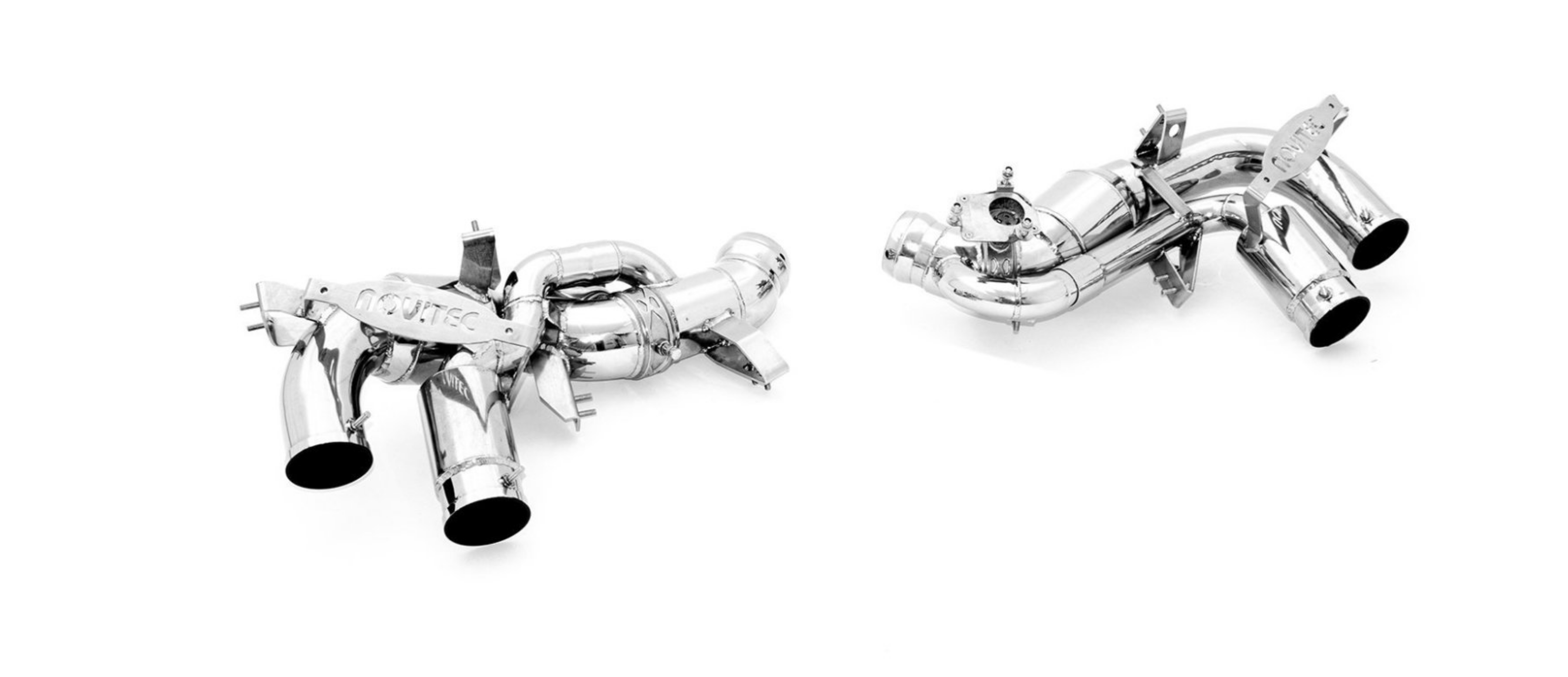
- Exhaust System Upgrades: An upgrade for a high-performance exhaust system to improve airflow, enhance engine sound, and reduce back pressure. Exhaust system upgrades also increase horsepower significantly.
- Suspension Enhancements: Performance suspension system upgrades lead to improved ride and handling quality. Tuning for suspension enhancement includes sway bars, upgraded shock absorbers, and coilovers for increased stability during cornering.
- Aerodynamic Modifications: Aerodynamic enhancements such as side skirts, diffusers, and spoilers help reduce drag and improve downforce. Not only will it increase high-speed stability, but also improve handling.
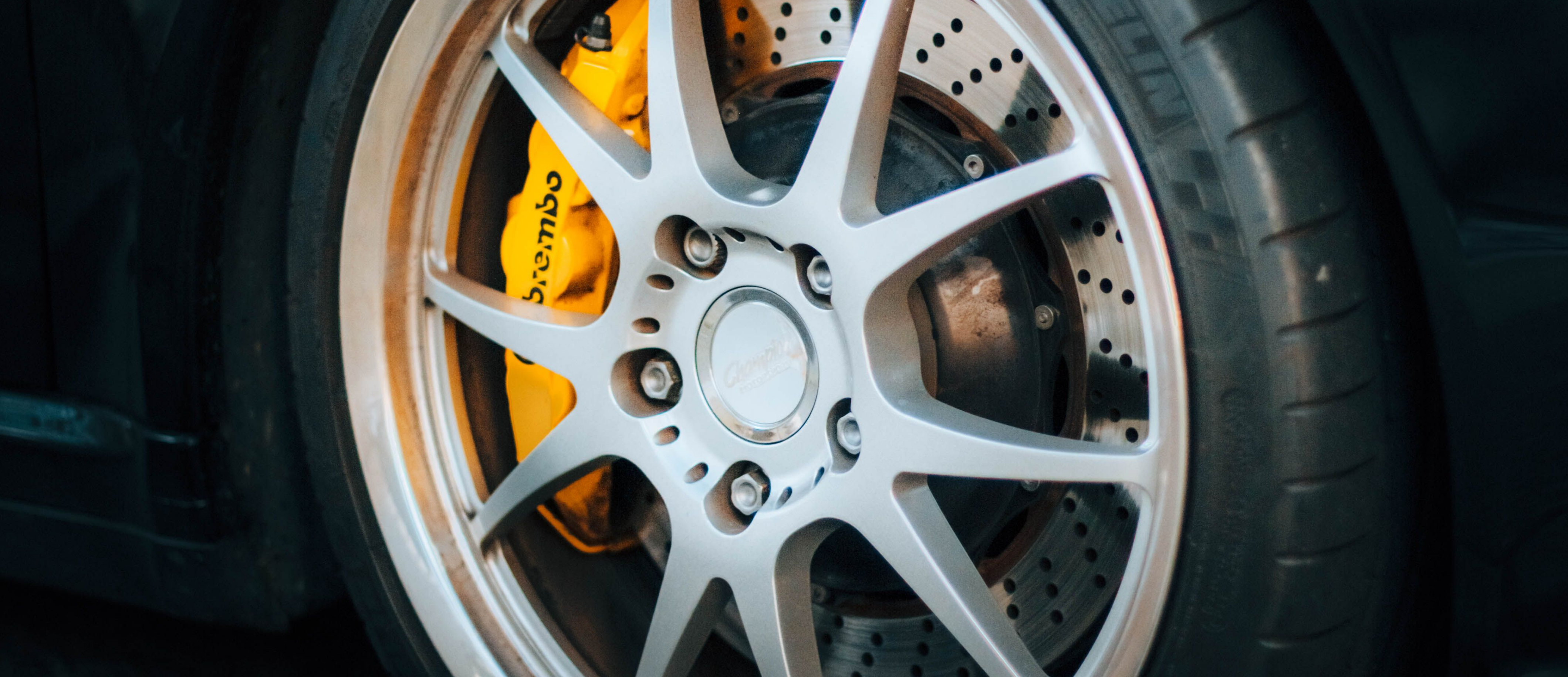
- Brake System Upgrades: Upgrades on callipers, rotors, and brake pads on high-performance cars can lead to reduced brake fade and better stopping power during high-speed driving.
Common Misconceptions
Although performance tuning seems like something drivers do to enhance their vehicle’s performance, there are some misconceptions surrounding the process.
Horsepower Isn’t the Only Important Quality
For supercar owners, horsepower might be one of the most exciting things about their vehicle. However, when considering real-world use, supercar owners need to consider balance, traction, aerodynamics, and weight equally. Cars with balanced upgrades tend to feel faster and more stable than those that focus on raw power only.
DIY Isn’t Always the Solution
Supercars aren’t cheap, and some owners want to save costs by fine-tuning the car themselves. However, high-performance cars are made meticulously and can be more complex than regular cars. One mistake can be costly, so DIYs might lead to higher expenses than helping you save.
Choosing professional installation will ensure the upgrades are safe and legal. It’ll help you avoid expensive setbacks.
Not All Upgrades are Necessary
Supercars are designed with precision. Despite doing all upgrades, thinking that you’ll get more benefits from it, we recommend that you only upgrade what’s necessary. Random upgrades tend to lead to diminishing returns; they might even damage your supercar. The best upgrades are the ones done specifically to the car’s model and driving style.

Tips for Performance Tuning Supercars
We’ve mentioned that not all upgrades would benefit your supercar’s quality. So, how do you determine which upgrades to take? There are several tips and tricks that all supercar owners must know before making any changes to their cars. Remember all these points before you decide on any modifications.
Know Your Car
If you’ve read this far, you might notice us mentioning something about staying faithful to your supercar’s model and its specific needs. So, before you decide on any changes, you need to start by fully understanding how your car works. These include its transmission, engine, suspension, and other parts. Learn the limits of your vehicle and the kinds of changes it can handle.
Exhaust System Upgrade
One of the best upgrades for a supercar is for the exhaust system. Modifications can lead to reduced engine heat and enhanced power output. The result may also include a distinctive roar from your supercar. A titanium exhaust system upgrade would help save weight while also improving the flow of your car’s exhaust gases.
Install an ECU Remap
Another significant upgrade that would benefit a supercar is an ECU remap installation. It’ll reprogram the car’s computer system, optimising engine performance, increasing power output, and improving throttle response. However, you must get the upgrade from a reputable mechanic who knows your car’s specific requirements for a safe installation.
High-Performance Tires
If you want to fine-tune the performance of your supercar, getting the right set of tyres can make a massive difference. Find well-known high-performance brands for your supercar model. Pay attention to their balance of grip and durability before replacing your supercar’s original tyres.
Optimising Suspension
High-end performance cars usually come with adjustable suspensions. They allow car owners to personalise the ride, so everything is set up to their preferences. Note that even the slightest change to suspension can provide a significant change in the vehicle’s performance. For supercars, experimenting with suspension component upgrades and settings can significantly enhance the car’s handling.
Upgrade the Brakes
One thing about supercars is that they often come with a high maximum speed. Therefore, upgrading the brakes can be very crucial to your car’s performance for a quick and safe stop. Get upgrades for high-performance rotors, callipers, and brake pads. You’ll then feel a significant difference in brake fade and stopping power when you’re driving at higher speeds.
Final Thoughts
Performance tuning a supercar is about finding the perfect balance between power, precision, and protection. When done thoughtfully, upgrades can unlock impressive improvements in efficiency, responsiveness, and driving enjoyment without compromising the machine’s integrity.
By understanding your car’s unique characteristics and making tuning decisions based on what’s suitable for your car, you ensure that every enhancement elevates safety and performance. Not only to make your supercar faster, but the right fine tuning is another way to make your car feels fully yours.
 Please wait...